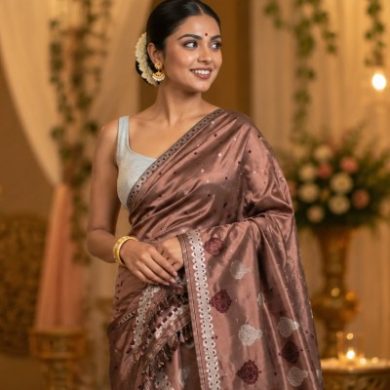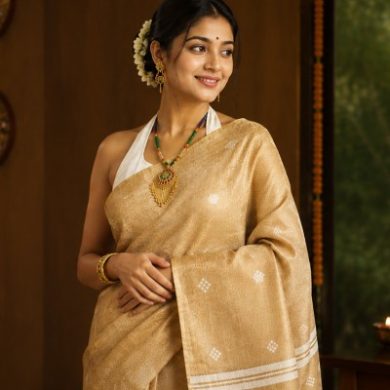




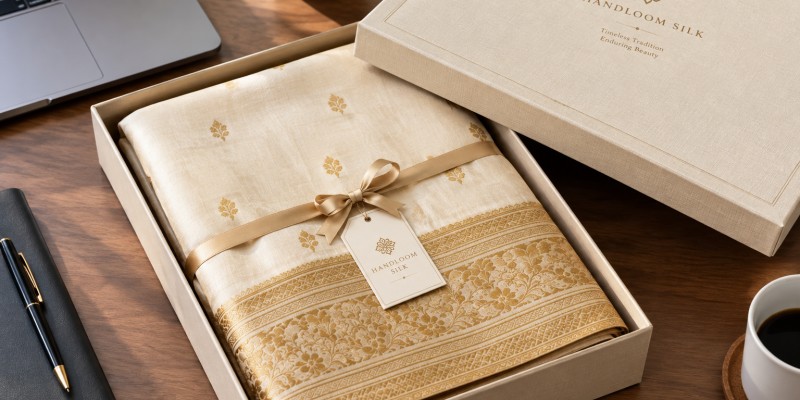
A Pat silk Mekhela Sador is more than something you wear to a wedding. It is Assam’s living history, woven by hand, passed from mother to daughter, and valued more with each decade. If you run a business, lead a startup, or manage a growing family, you already know what lasting value looks like. This guide explains why this silk earns the name “white gold,” how to tell the real thing from imitations, and how to buy with confidence, whether you are in Guwahati, Bengaluru, Dubai, or London.
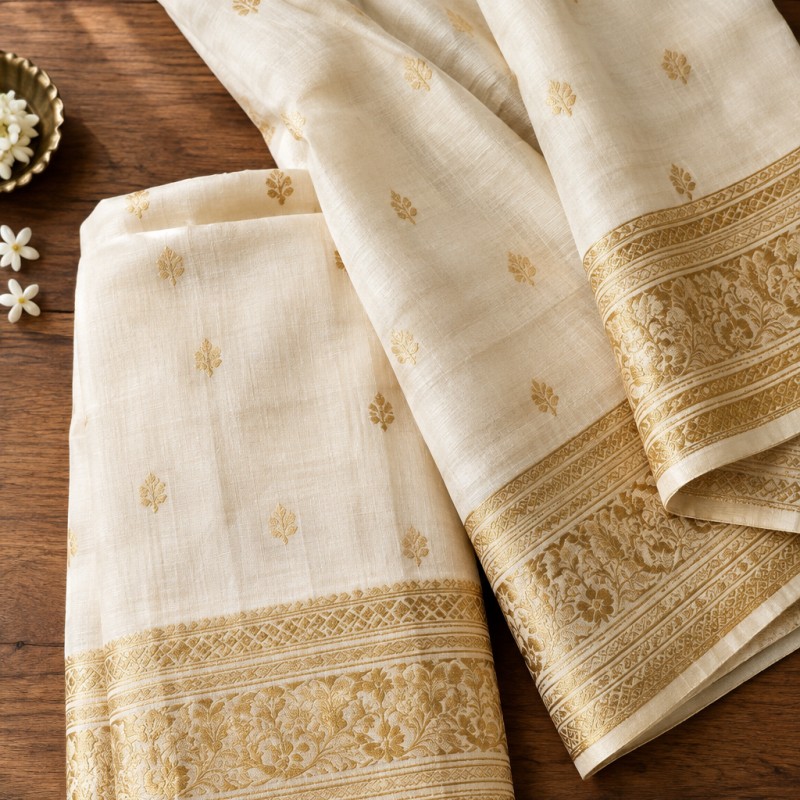
What Is Pat Silk, and Why Is It Called White Gold?
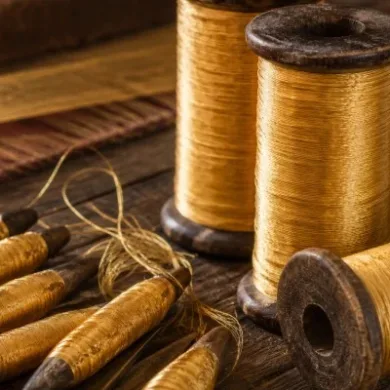
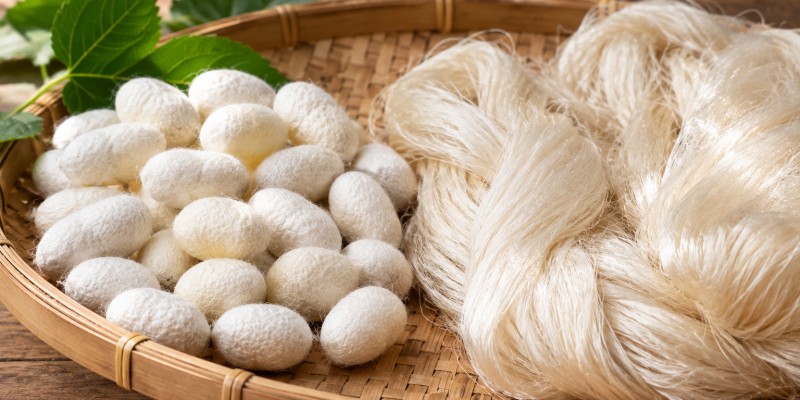
Pat simply means silk in Assamese. Pat silk comes from silkworms fed on mulberry leaves. The yarn is fine and smooth, and it is naturally cream to silvery white. Its soft sheen catches the light without shouting.
Assam is known for three native silks:
- Muga: golden, rare, and famously durable.
- Eri: warm and soft, often called “peace silk” because the moth is allowed to leave the cocoon.
- Pat: bright, refined, and the best canvas for fine colour and detailed weaving.
So why “white gold”? Because this fabric holds its worth the way gold does. It takes dye beautifully, supports delicate zari and thread work, and ages with grace instead of fading into the background. A mulberry silk saree Assam weavers make today can still look dignified in your granddaughter’s wardrobe.
Sualkuchi: The Weaving Town Behind the Legend
Sualkuchi sits on the north bank of the Brahmaputra, roughly 35 km from Guwahati. People often call it the “Manchester of the East,” and for good reason. Looms are part of daily life here. Local history traces the town’s silk tradition back centuries, and today thousands of weavers, many of them women, work in homes and small workshops.
A Sualkuchi silk saree is rarely the work of one person. Reelers prepare the yarn, dyers set the colours, designers plan the motifs, and weavers bring it all together on the loom. Each step adds skill, and each skill adds value.
For business readers, Sualkuchi is a textbook example of a craft cluster. Skills, suppliers, and buyers sit close together, so quality knowledge stays in the community and improves over generations. That is also why buying from the source, or from a brand that works directly with weavers, matters. Your money supports the whole chain, not just a middleman.
Understanding the Mekhela Sador
Before looking at value, it helps to understand the garment itself. The Mekhela Sador is a two-piece traditional dress of Assam:
- Mekhela: a wrap-around skirt, pleated at the waist and tucked in.
- Mekhela: a wrap-around skirt, pleated at the waist and tucked in.
Unlike a six-yard saree, the two pieces are woven to match, so the borders, motifs, and colours work as one design. Traditional motifs include the jaapi (a conical bamboo hat), kolka (paisley), flowers, birds, and geometric borders. Many motifs come straight from Assamese village life, which is why each piece feels like a story, not just a pattern.
Why It Becomes an Heirloom
Plenty of beautiful things are not heirlooms. A real heirloom must survive time, hold meaning, and keep its value. A well-made Pat silk Mekhela Sador does all three.
- It lasts. Silk is one of the strongest natural fibres. When handwoven with good yarn, it does not wear out quickly. With basic care, it can stay in good condition for decades, and a small tear or loose thread can often be repaired by a skilled weaver.
- It carries meaning. In Assamese families, this garment appears at the biggest moments: weddings, Bihu celebrations, and religious ceremonies. A bride often receives one from her mother or grandmother. When you wear it, you wear that memory.
- It holds value. Handwoven work cannot be copied by a machine in the same way. Every piece has tiny variations, and those small “flaws” are the signature of the weaver. As fewer people learn the craft, authentic pieces become harder to find.
Think of it as a small, wearable asset. Unlike a trend-driven outfit, it never goes out of style, because it was never tied to a trend.

Handwoven vs Powerloom: A Quick Reality Check
Here is an insight many buyers miss. The market now has plenty of machine-made “Assam-style” fabric. It looks similar in photos but behaves very differently once you own it. Powerloom pieces are cheaper and more uniform, which is exactly why they lack the character of the real thing. Handloom pieces show slight irregularity, richer texture, and a softer fall. If every motif looks perfectly identical, ask questions.
How to Spot Genuine Mulberry Silk from Assam
You do not need to be an expert. A few simple checks go a long way.
- Check the feel. Real silk feels smooth but not slippery like polyester. It warms slightly against your skin.
- Look at the back. In handwoven motifs, the reverse side shows neat thread paths, not messy floats or loose cuts.
- Look for irregularities. Tiny variations in the weave are a good sign. Perfect uniformity often points to a machine.
- Ask about the source. A trustworthy seller can tell you which weaving cluster made the piece. A genuine Sualkuchi silk saree should come with a clear origin story.
- Look for certifications. The Silk Mark and Handloom Mark are useful signs of authenticity.
- Be careful with the burn test. Real silk burns slowly, smells like burnt hair, and leaves crushable ash. But never cut your piece to test it. Ask the seller for verification instead
- Be wary of very low prices. Pure handwoven silk takes days or weeks of work. A price that seems too good usually is. If you are comparing a mulberry silk saree Assam sellers list at suspiciously low rates, check the fabric details before buying.
Why Business Owners and Startups Are Choosing Pat Silk
This may sound like a topic for family occasions only, but more business owners are paying attention, and for practical reasons.
Corporate gifting with meaning. A branded pen or box of sweets is forgotten in a week. A handwoven Mekhela Sador tells a client, partner, or international guest that you value culture and craftsmanship. For overseas clients especially, it is a memorable way to represent India.
Festive and milestone gifts. Founders gifting senior team members, or celebrating a company anniversary, increasingly look for gifts with a story. Pat silk fits well because it is elegant and not overly flashy.
Personal investment. Entrepreneurs know that quality compounds. One carefully chosen piece for a family wedding or festival can be worn, loved, and passed on. It costs more up front than fast fashion, but the cost per wear drops with every occasion.
Supporting ethical sourcing. Today’s customers and employees care where things come from. Choosing handloom supports artisan livelihoods, which is a story any values-driven brand can be proud of.
Most buyers in these groups now look for an Assam silk saree online because the convenience matters when you are managing a company, a team, and a household at once.

Caring for Your Silk So It Lasts Generations
An heirloom only stays one if it is cared for. These habits protect your investment:
- Dry clean for the first few washes, and avoid harsh detergents.
- Store in a soft muslin or cotton cloth, never in plastic, which traps moisture.
- Refold every few months along different lines to prevent permanent creases.
- Keep away from direct sunlight, which can fade natural colours.
- Apply perfume before dressing, not on the fabric.
- Skip long hanger storage, which can strain the zari and shoulder folds.
Treat these steps as routine, and a mulberry silk saree Assam families treasure can remain beautiful for fifty years or more.
How to Buy Online Without Worry
Buying handlooms online is easy once you know what to look for. Before you click “buy,” check these points:
- Clear, close-up photos. You should see the weave, borders, and motifs, not only a styled model shot.
- Fabric details. The listing should say pure pat silk, name the weaving origin, and mention handloom or handwoven.
- Weaver or cluster information. Transparent brands are proud to share this.
- Return and support policy. A good seller answers questions before and after the sale.
- Honest pricing. Price should reflect hours of handwork, not just a brand name.
If you are searching for an Assam silk saree online, it helps to choose a seller who treats heritage as a responsibility, not a marketing label. EthnoHues is one example. It is a heritage-inspired ethnic fashion brand offering authentic Assamese handloom, silk sarees, traditional jewellery, and other Indian artisanal crafts to modern shoppers, with a focus on preserving regional craftsmanship while keeping it accessible online. Whichever seller you choose, ask where the piece was woven, and be sure you can trace a genuine Sualkuchi silk saree back to its source.
Final Thoughts
A Pat silk Mekhela Sador carries the labour of reelers and weavers, the memory of family celebrations, and the character of Assam itself. That is why it deserves to be called an heirloom, and why it keeps its place in a world that moves too fast.
Whether you are choosing a wedding outfit, planning a meaningful client gift, or simply investing in something that lasts, take your time and buy with intention. If you would like to explore an Assam silk saree online, you can browse the handloom collection at EthnoHues and see how heritage looks when it is made for today.
Frequently Asked Questions
What is pat silk?
Pat silk is the mulberry silk of Assam. It is made from silkworms that feed on mulberry leaves and is known for its smooth texture, soft sheen, and natural cream-white colour.
Why is pat silk called “white gold”?
It is called white gold because of its bright natural shade and its lasting value. It is durable, dyes well, supports fine weaving, and stays valuable across generations.
Is a Pat silk Mekhela Sador suitable for weddings?
Yes. It is one of the most traditional choices for Assamese weddings and festivals. Brides often wear it in rich colours with gold zari work, and it photographs beautifully.
Where can I buy an Assam silk saree online safely?
Choose sellers that share the weaving origin, show clear close-up photos, mention handloom certification, and offer easy support. Brands that work directly with artisans are usually the safest choice.
How can I tell if a Sualkuchi silk saree is genuine?
Look for a neat reverse side, slight handwoven variations, a smooth natural feel, and a seller who can explain the source. Silk Mark or Handloom Mark labels add further confidence.
Is a mulberry silk saree Assam weavers better than other silks?
It depends on your purpose. Pat silk is the finest for detailed colour work and formal wear. Muga is rarer and more golden, while Eri is softer and warmer. Many families own all three.
How do I store pat silk for the long term?
Wrap it in soft muslin, keep it in a cool, dry place away from sunlight, and refold it every few months. Avoid plastic covers and long-term hanging.