

Earthy Elegance: Why Terracotta Jewellery Is the Must-Have Accessory for Every Ethnic Wardrobe
Shopping for terracotta jewellery online has become one of the easiest ways to add handmade character to an ethnic outfit. It is light, colourful, and affordable, and it comes from a craft that is thousands of years old. If you run a business, lead a startup, or travel often for work, this matters. You get a piece that looks refined, feels comfortable through a long day, and carries a story worth telling.
This guide explains what terracotta jewellery is, how it connects to Assam’s own traditions, how to style and care for it, and what to check before you buy.
What Is Terracotta Jewellery?
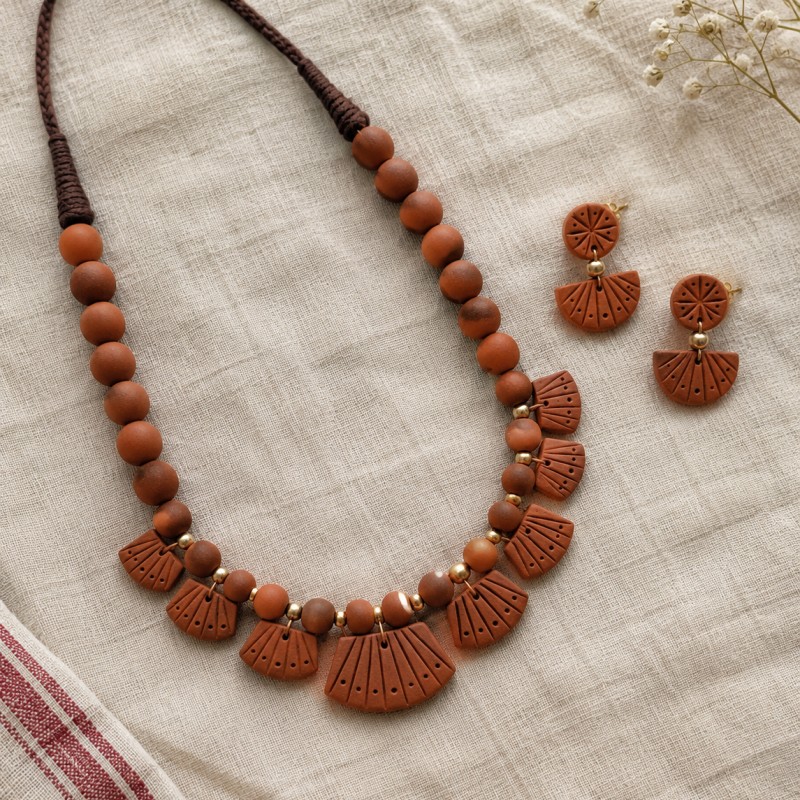
Terracotta means “baked earth” in Italian. In jewellery, it describes clay that is shaped by hand, dried, fired in a kiln, and then painted or glazed. Each bead, pendant, or earring is made one at a time, so no two pieces match exactly.
How It Is Made
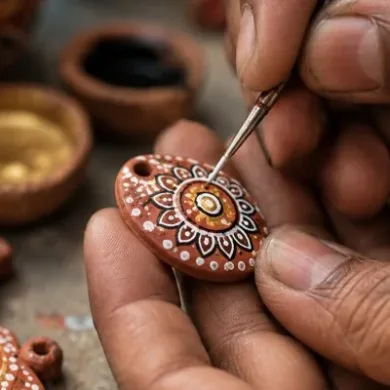
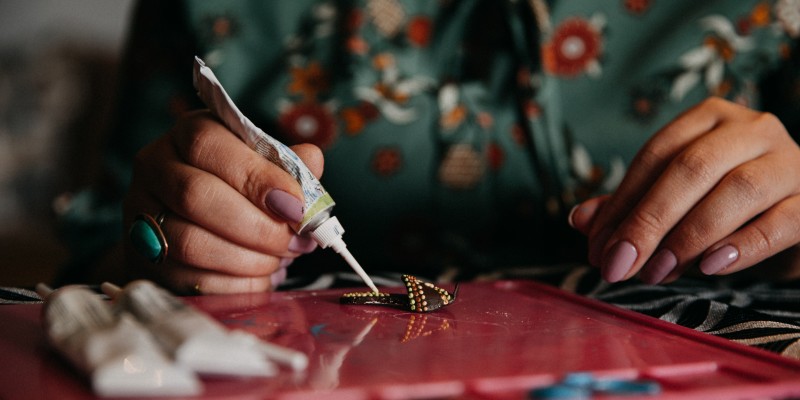
Artisans begin with natural clay, knead it, and shape it into beads, discs, or moulded motifs. After drying in the shade, the pieces are fired at high heat until they turn hard. Then comes colour: paints, gold accents, and a protective coat. A handcrafted terracotta necklace can take several days from raw clay to finished piece, because every stage needs patience and a steady hand.
What Good Finish Looks Like
Fine terracotta has smooth edges, even colour, and a gentle, balanced weight. Rough surfaces or chipped paint usually point to rushed work.
A Short History of Clay Ornaments in India
Clay has been part of Indian adornment for a very long time. Archaeologists have found terracotta beads and figurines at Indus Valley sites, which shows people wore clay ornaments thousands of years ago. Bengal later became famous for its terracotta temples and the clay horses of Bankura. In Assam, Asharikandi in Dhubri district is well known for its terracotta craft.
For any brand builder, there is a lesson here. Products rooted in a real tradition carry a story that mass-made goods cannot copy. Handmade clay work survives because people still value the hands behind it.
Terracotta Meets Assam’s Gold Tradition
Traditional Assamese jewellery is best known for its gold work. Think of the crescent-shaped Jonbiri pendant, the bold Gamkharu bangle, the Dugdugi necklace, and the Keru and Lokaparo earrings. These pieces are precious and heavy, and most families keep them for weddings.
Terracotta carries the same visual language into everyday life. Designers borrow familiar motifs and shape them into light pendants and earrings. The result is Assamese jewellery you can wear to a meeting, a festival, or a family dinner without worrying about cost or safekeeping.
Motifs That Tell a Story
- Jaapi: the conical bamboo hat, a proud symbol of Assamese identity.
- Kolka: the paisley form seen on silk borders and gold ornaments alike.
- Paired birds: inspired by the Lokaparo design, often linked with love and togetherness.
- Florals and leaves: drawn from the plants and gardens of the Brahmaputra valley.
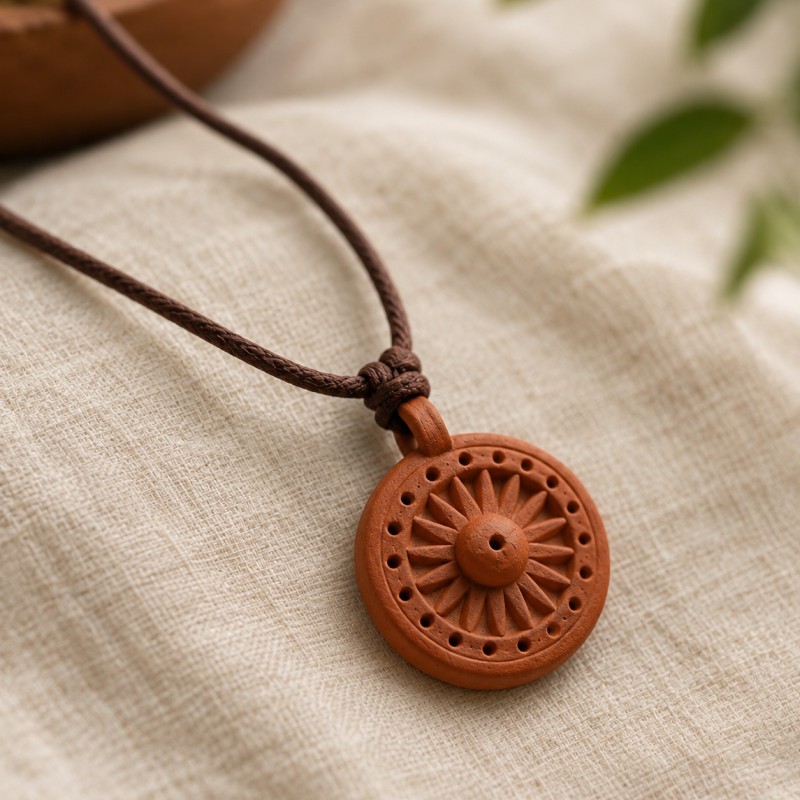
A handcrafted terracotta necklace with a small jaapi pendant is a good example: simple, graceful, and full of meaning.
Why Terracotta Is a Must-Have in Every Ethnic Wardrobe
It Pairs With Almost Everything
Earthy reds, ochres, mustards, and deep browns sit well with handloom cotton, silk, and khadi. They also lift plain, solid-colour outfits that need one strong accent. That range is rare in jewellery.
Lightweight Comfort
Heavy ornaments can tire you out by evening. Terracotta is far lighter than metal, so you can wear a large statement piece from the morning meeting to the night event.
Easy on the Budget
Among the many options in ethnic jewellery India has to offer, terracotta is one of the most accessible. A handcrafted terracotta necklace often costs a fraction of a gold or silver one, which lets you build a varied collection instead of owning a single precious set.
Kind to the Planet
Clay is a natural material, and working with it needs no metal mining. Many buyers now want accessories that feel responsible, and terracotta fits that wish.
How to Style Terracotta Jewellery
A few simple rules make it easy:
- Let one piece lead. If you choose a bold necklace, keep the earrings small.
- Match the mood, not the shade. Terracotta works through contrast. Try rust against ivory, or mustard against deep green.
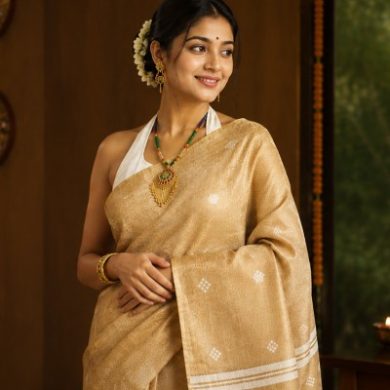
- Pair it with a Mekhela Sador. Assamese jewellery with jaapi or bird motifs echoes the design language of the outfit itself.
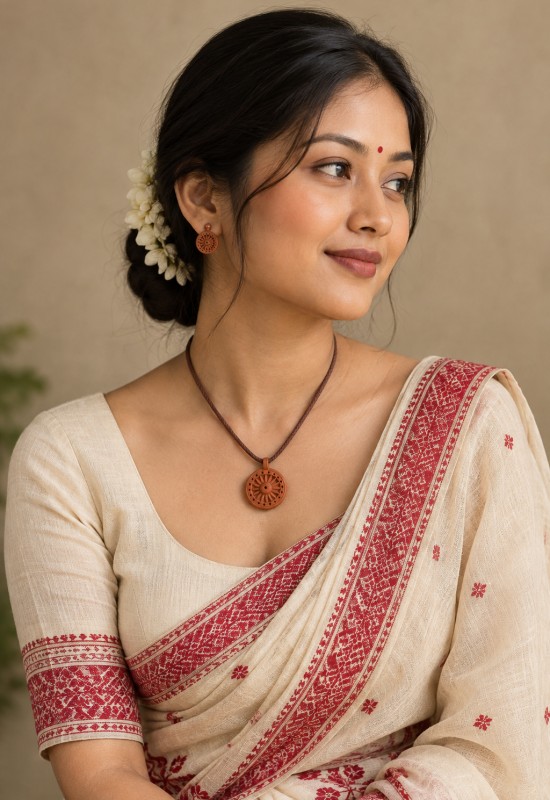
- Wear it to work. Small studs or a short pendant add personality to a kurta set or a linen shirt.
- Try it with western wear. A long terracotta pendant over a plain dress makes a quiet but confident statement.
A bold handcrafted terracotta necklace works best as the hero of the look, so give it a simple background.
Occasions Where Terracotta Shines
- Bihu and festivals: A red or mustard set looks right with a handloom Mekhela Sador, and the earthy tones suit the spirit of the season.
- Weddings as a guest: Gold belongs to the bride and her family. Terracotta lets guests look festive without competing.
- Office and meetings: Small, muted pieces add warmth without looking loud.
- Travel and overseas events: It is light, it packs easily, and it starts conversations about Indian craft.
- Gifting: It suits festive gifts, work anniversaries, and thank-you gestures.
Why Business Owners and Startups Should Care
This may look like a topic for fashion lovers alone, but it has practical business uses.
Gifts With Meaning
A branded notebook is forgotten quickly. A piece of handmade jewellery tells a client, partner, or overseas guest that you value craft and culture. A team gift or a client thank-you also becomes simple when you can order from several cities at once.
Retail and Hospitality Opportunities
Boutiques, hotel gift shops, lifestyle stores, and co-working cafés are all looking for products with a story. Browsing terracotta jewellery online is also a low-risk way to test designs before you commit to a larger order. For founders thinking about a gifting line or a small retail range, ethnic jewellery India artisans make is a natural fit for that demand.
Honest Brand Storytelling
Customers and employees increasingly ask where things come from. Artisan-made jewellery gives you a true answer: a named craft, a region, and people who made it.
A Quiet Signal for Professionals
If you travel abroad for conferences or client visits, one terracotta piece says “India” with taste, not noise.
How to Choose Quality Terracotta Jewellery
Whether you shop in a store or order terracotta jewellery online, check these points:
- Smooth surface with no rough patches or chips.
- Sealed colour. Ask whether the paint has a protective coat so it will not rub off.
- Even weight with no hairline cracks.
- Strong cord and secure clasps so beads do not scatter.
- Skin-safe fittings. Nickel-free hooks are kinder to sensitive ears.
- Maker details. A good seller can tell you where the piece was made.
A well-made handcrafted terracotta necklace should feel balanced in your hand, with beads that sit evenly along the cord. If a seller cannot tell you who made it or where, treat that as a warning sign.
Common Mistakes to Avoid
- Buying on price alone. Very cheap pieces are often moulded in bulk and painted in a hurry.
- Wearing too many statement pieces. One hero piece is enough.
- Skipping the care routine. Clay needs a little attention to stay bright.
- Ignoring packaging. Fragile goods need padding, especially on long journeys.
- Forgetting the return policy. Ask before you buy, not after.
Caring for Terracotta Jewellery
Clay is strong once fired, but it is not unbreakable. A few habits keep it looking new:
- Keep it dry. Moisture can dull the finish, so wipe it gently with a soft, dry cloth.
- Put it on last. Apply perfume and lotion before you wear it.
- Store pieces separately in soft pouches so they do not knock together.
- Avoid drops on hard floors.
- Keep it away from direct heat and sun, which can fade paint.
How to Buy Terracotta Jewellery Online
Buying is easy when you know what to look for:
- Close-up photos that show texture, colour, and finish, not just model shots.
- Clear material details. The listing should say terracotta or clay, handmade, and sealed or coated.
- Size and length. Look for pendant dimensions and necklace length.
- Packaging. Clay is fragile, so ask about padded packaging, especially for overseas orders.
- Return and support policy. A good seller answers questions before and after the sale.
Terracotta vs Other Jewellery at a Glance
Gold | Silver / Oxidised | Terracotta | |
Weight | Heavy | Medium | Light |
Cost | High | Moderate | Low to moderate |
Best for | Weddings, investment | Festivals, daily wear | Daily wear, gifting, styling |
Care | Secure storage | Regular polishing | Keep dry, avoid drops |
Final Thoughts
Terracotta proves that elegance does not have to be heavy or expensive. It is earthy, light, and full of heritage, and it works with almost every ethnic outfit you own. For founders and business owners, it is also a smart gift, a good brand story, and a small daily reminder of craft. It is a fine first step into the wider world of ethnic jewellery India artisans create.
Take your time, look for quality, and buy with intention. If you would like to explore terracotta jewellery online, browse the collection at EthnoHues and find a piece that fits your wardrobe or your next thoughtful gift. Your choice of terracotta jewellery online also supports the artisans who keep this craft alive.
Frequently Asked Questions
What is terracotta jewellery?
It is jewellery made from natural clay that is shaped by hand, fired in a kiln, and then painted or glazed. It is light, colourful, and rooted in India’s long clay-craft tradition.
Is terracotta jewellery durable?
Yes, with basic care. Fired clay is hard, but it can chip or crack if dropped. Keep it dry, store it in a soft pouch, and avoid rough handling.
Where can I buy terracotta jewellery online safely?
Choose sellers who show close-up photos, name the material and the maker, pack fragile items well, and offer clear support. Brands that work directly with artisans are usually the safest choice.
Which outfits suit a handcrafted terracotta necklace?
It suits handloom sarees, Mekhela Sador sets, kurtas, and even plain western dresses. Earthy shades look best against ivory, white, black, and deep green.
What is Assamese jewellery?
It is the traditional ornament style of Assam, known for designs like the Jonbiri, Gamkharu, and Dugdugi, and for motifs such as the jaapi and kolka. Terracotta versions bring these designs into everyday wear.
Is terracotta jewellery good for corporate gifting?
Yes. It is light to ship, rich in culture, and memorable, which suits client gifts, festive gifts, and overseas guests. For bulk orders, ask the seller early so pieces can be packed safely.
Is terracotta jewellery safe for sensitive skin?
Clay itself is gentle, but metal hooks and clasps can cause irritation. Choose nickel-free fittings.