







Knowing how to care for Assam silk saree pieces is what separates a drape that fades in five years from one that glows for fifty. Assam’s silks are handmade, natural, and tougher than they look, but they are not careless-proof. One hot iron, one plastic bag, or one afternoon in direct sun can undo weeks of a weaver’s work.
The good news is that care is simple once you know what each silk wants. This guide covers washing, drying, ironing, stain rescue, and storage for Muga, Pat, and Eri. It is written for busy professionals, founders, and business owners who own a few precious pieces, gift them to clients, or ship them overseas, and want clear steps instead of guesswork.
Know Your Silk First
Each Assamese silk has its own personality, so care starts with knowing what you own.
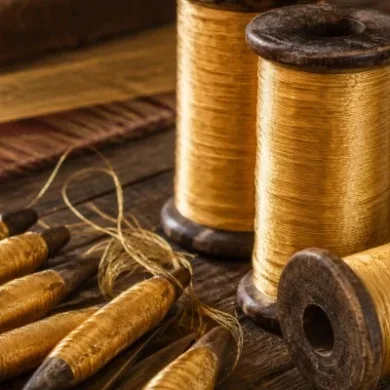
- Muga: golden, glossy, and famously durable. Its shine grows with age.
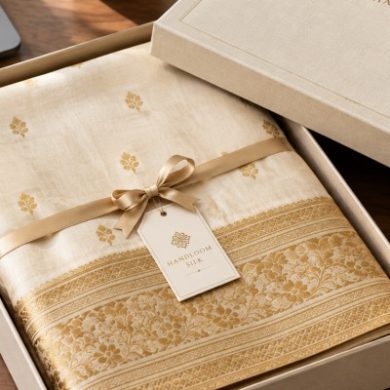
- Pat: cream-white mulberry silk, fine and smooth, often dyed in rich colours and woven with zari.
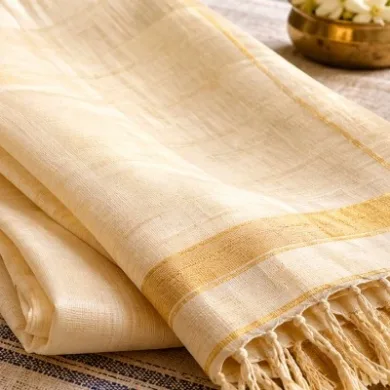
- Eri: soft, matte, and warm, spun from open cocoons.
Not sure which one you have? Check the label or ask the seller. Until you know, treat the piece like Pat silk, the most delicate of the three.
How to Care for Assam Silk Saree: Five Rules for Every Silk
These habits apply to every piece. They also form the base of any good set of Assam silk maintenance tips.
- Wash less. Silk does not need cleaning after every wear. Air it instead.
- Use cool water only. Heat dulls and shrinks natural fibres.
- Skip bleach and harsh detergents. Choose mild, pH-neutral products.
- Dry in shade. Direct sun fades colour and weakens fibre.
- Never wring or twist. Press water out gently with a towel.
Pat Silk Washing Guide: Dry Clean or Hand Wash?
Pat is fine and often richly dyed, so it needs the lightest hand. This Pat silk washing guide starts with one decision: dry clean or wash at home?
When to Dry Clean
Choose dry cleaning for the first one or two cleans of a new saree, and for any piece with heavy zari, deep reds, blacks, or unknown dyes. Pick a cleaner who handles handloom silk often, and ask them not to press zari borders hard.
When to Hand Wash
Plain or lightly worked pieces can be washed at home, but do a colour test first. Dab a hidden corner with a damp white cotton cloth. If any colour transfers, dry clean only.
Hand-Washing Steps
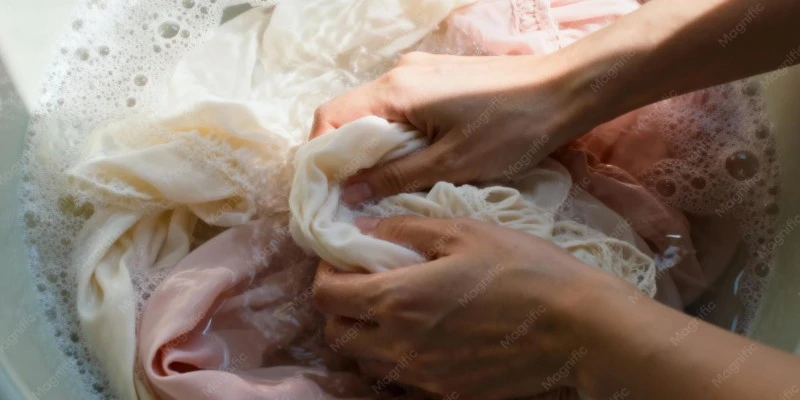
- Fill a clean basin with cool water and add a few drops of mild liquid detergent.
- Dip the saree and move it gently for two to three minutes. Do not soak for long.
- Rinse in cool water until it runs clear. A small splash of white vinegar in the last rinse can help restore sheen.
- Press out water between two clean towels.
- Dry flat or over a padded line, in shade.
- Iron on low heat, on the reverse side, with a cotton cloth between iron and silk. Never press directly on zari.
Wash a Pat saree once or twice a year at most, unless it is stained.
Muga Silk Saree Care: Let the Gold Age Gracefully
Muga has a reputation for outliving its owners, and it has earned it. Many families say a Muga saree shines brighter after years of wear. Good Muga silk saree care is about patience and a light touch. Unlike the Pat silk washing guide above, which starts with a dye test, Muga is more forgiving.
- Hand wash in cool water with a mild soap or reetha (soapnut).
- Avoid bleach and brighteners. They can dull the golden tone.
- Do not scrub. The gloss lives in the natural fibre.
- Iron on a low-to-medium silk setting, on the reverse, through a cotton cloth.
- Wear it. Gentle washing and regular wear build the glow, so do not lock it away for years.
Eri Silk Storage: Keep It Soft and Insect-Free
Eri is hardy, but its soft, slightly fluffy surface holds moisture and attracts insects. Good Eri silk storage is mostly about airflow and dryness. Eri is also the easiest of the three to wash: cool water, mild detergent, gentle hand wash, shade dry.
- Store only clean, fully dry pieces.
- Wrap in cotton or muslin, never plastic.
- Keep neem leaves or dried lavender in a small cloth pouch nearby.
- If you use mothballs, wrap them in paper and keep them away from direct contact.
- Air stoles, shawls, and sarees in shade for an hour every two or three months.
How to Store Silk Sarees at Home: The Core Method
Whatever silk you own, the basics are the same. Here is how to store silk sarees at home without special equipment:
- Clean first. Sweat and stains attract insects.
- Wrap each saree separately in soft cotton or muslin. An old cotton dupatta works well.
- Avoid plastic. It traps moisture and causes yellowing and mildew.
- Place acid-free tissue between zari borders and the body of the saree to prevent tarnish and snags.
- Refold every three months along different lines so fibres do not break at old creases.
- Choose the right shelf. Cool, dry, dark, and ventilated, away from outer walls and bathrooms.
Hanging or Folding?
A few days on a padded hanger is fine. Long-term hanging strains shoulders and zari, so fold for long storage.

Short on Space?
Space is a common problem in rented flats. The method for how to store silk sarees at home does not change, only the container does. Use breathable fabric boxes or a cotton-lined drawer instead of crowding a single shelf.
Assam Silk Maintenance Tips for Every Season
Monsoon
Humidity is silk’s biggest enemy in India. This is when Eri silk storage matters most. Keep silica gel packets in the cupboard, open it on dry days, and sniff for any musty smell.
Summer
Sweat damages silk quietly. Air the saree for a few hours after each wear, and use dress shields under the arms.
Winter
Winter is the best time for a full audit. Take out every saree, air it in shade, check the folds, and refresh your sachets.
Stain Rescue: The First Ten Minutes
- Blot, never rub. Rubbing spreads the mark and damages fibre.
- Oil or food: Dust with talcum or cornflour, wait, brush off, then dry clean.
- Perfume: Spray before you dress, not after.
- No home remedies like lemon or vinegar on the stain.
No Pat silk washing guide can fix a set stain at home, so take heavy marks to a professional quickly and tell them the silk type.
Common Mistakes That Shorten a Saree’s Life
Most damage comes from avoidable errors, and avoiding them is half of how to care for Assam silk saree collections.
- Plastic covers and bags
- Drying in direct sun
- Folding along the same lines for years
- Washing too often, or in a machine
- Mothballs touching the fabric
- Hanging heavy zari sarees for months
Travelling and Shipping Silk Sarees
Pack each saree flat with acid-free tissue between folds, wrap it in a cotton cover, and add a silica packet. Skip plastic. Once you are home, go straight back to the routine for how to store silk sarees at home: unpack, air, and refold.
Quick Reference: Care at a Glance
Pat | Muga | Eri | |
First wash | Dry clean | Hand wash or dry clean | Hand wash |
Frequency | 1–2 times a year | As needed | Every few wears |
Drying | Flat, in shade | In shade | In shade |
Ironing | Low, reverse, cloth | Low-medium, reverse, cloth | Low-medium, cloth |
Storage | Muslin, tissue for zari | Muslin, air regularly | Cotton, neem, airflow |

Why Business Owners and Startups Should Care About Silk Care
This may sound like a topic for family wardrobes only, but silk care has real business value.
- Gifts that last. A saree gifted to a client or team member is an investment. A one-page card on how to care for Assam silk saree pieces shows you thought beyond the box. For a Pat silk gift, a mini Pat silk washing guide fits on one card: dry clean first, cool water later, shade dry.
- Boutiques and gifting lines. If you run a boutique, hotel gift shop, or corporate gifting line, storage decides whether stock sells or spoils. Cotton wrapping, silica, and regular airing protect your margins.
- Cost per wear. A well-kept handloom piece is worn for decades. The more you care for it, the lower the cost of every occasion.
Buy Silk That Is Easy to Care For
Care starts with what you buy. Genuine handloom silk with clear fibre details and a named origin is easier to maintain and lasts longer. EthnoHues is one example. It is a heritage-inspired ethnic fashion brand that brings authentic Assamese handloom, silk sarees, traditional jewellery, and Indian artisanal crafts to modern consumers, with a focus on preserving regional craftsmanship while making it accessible online. Whichever seller you choose, ask for Muga silk saree care notes and Assam silk maintenance tips specific to the piece you are buying.
Final Thoughts
Learning how to care for Assam silk saree pieces is not about strict rules. It is about habits: wash gently, dry in shade, and let the silk breathe. Get Eri silk storage right with cotton, neem, and airflow, and keep your routine for how to store silk sarees at home simple enough that you will actually follow it. Do that, and your sarees will outlast trends, seasons, and even generations.
Take your time, buy with intention, and care with patience. If you would like to explore handloom silk made for long-term wear, you can browse the collection at EthnoHues.
Frequently Asked Questions
How to care for Assam silk saree after a wedding or party?
Air it in shade for a few hours and check for stains. Dry clean it if it has perfume, sweat, or food on it, then fold it in fresh muslin. Avoid washing it straight away.
Is there a simple Pat silk washing guide I can follow?
Yes. Dry clean new pieces first. For later home washes, do a colour test, use cool water and mild detergent, rinse well, press out water, and dry flat in shade.
Is Muga silk saree care different from other silks?
Slightly. Muga is more durable and forgiving, and its gloss often improves with gentle washing. Still avoid bleach, hot irons, and direct sun.
What is the best Eri silk storage method?
Wrap clean, dry eri in cotton or muslin, add neem or lavender pouches, and keep it in a ventilated cupboard. Air it every two or three months.
How to store silk sarees at home in humid weather?
Use silica gel, keep the cupboard away from damp walls, open it on dry days, and refold each saree regularly. Never use plastic.
What are the best Assam silk maintenance tips for beginners?
Wash rarely, use cool water, dry in shade, iron on low through a cloth, and store in breathable cotton.
Can I machine wash an Assam silk saree?
It is best avoided. Machines twist and stress the fibres, and zari can snag. Hand wash or dry clean instead.
How often should I wash a silk saree?
Air it after every wear and wash only when needed. That usually means once or twice a year for Pat, and a little more often for Muga and Eri.