


For one Assamese silk, the answer is a proud no. Eri silk is spun from cocoons the moth has already left, which is why people call it Ahimsa silk, the silk of non-violence. If you run a business, lead a startup, or buy gifts for clients and teams, that story matters. Customers, partners, and employees care how things are made, and eri gives you an honest answer.
This guide explains what eri silk is, how it compares with Muga, why it suits sustainable luxury, how to buy it well, and how to care for it. It also shows why a cruelty-free silk saree is becoming a smart pick for personal wardrobes and corporate gifting alike.
What Is Eri Silk?
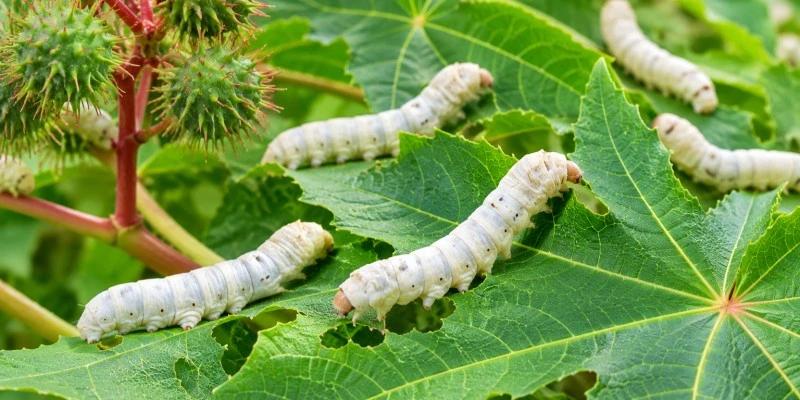
Eri silk comes from the Samia ricini silkworm, which feeds mainly on castor leaves. The name comes from era, the Assamese word for the castor plant. Families in Assam and nearby northeastern states have reared these worms at home for generations, and women often lead the work.
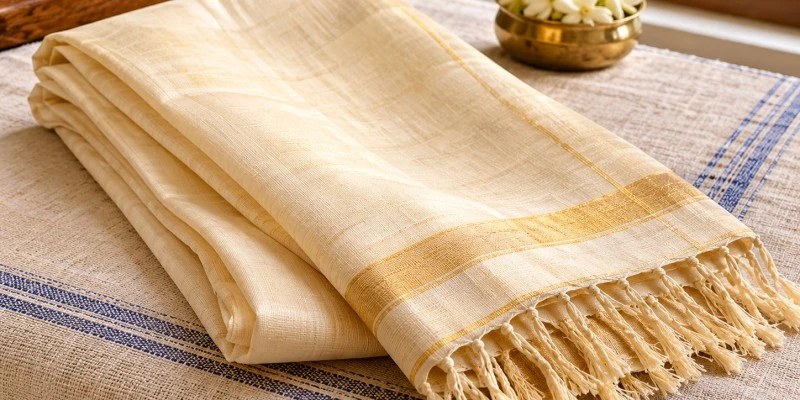
Eri is a spun silk. The cocoons are open at one end, so the fibre is spun into yarn, much like cotton or wool, rather than unwound as one long thread. That gives the fabric its signature look and feel: soft, dense, matte, and naturally warm. Its colour ranges from cream to off-white, and it takes dye, including natural dyes, very well.
You will find eri in shawls, stoles, sarees, scarves, and even jackets. It is quiet luxury in its purest form: comfortable first, impressive second.
Eri Silk Ahimsa Silk: What Do the Names Mean?
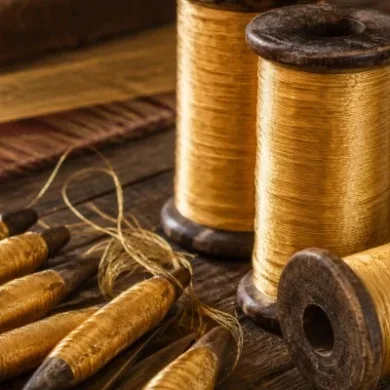
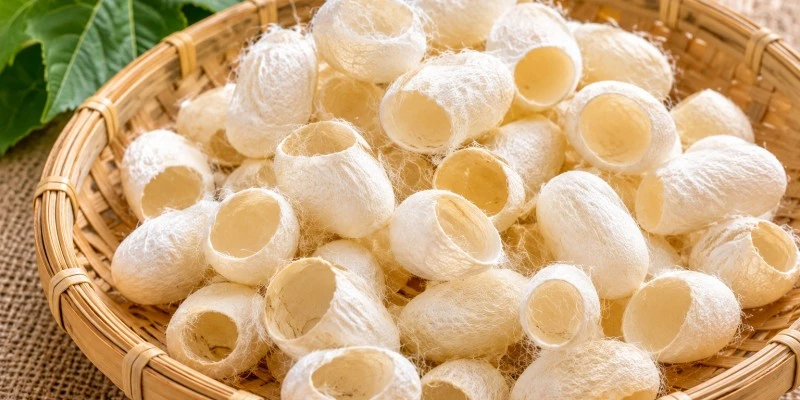
Most silk is made by reeling. Cocoons are steamed or boiled so one long thread can be unwound, and this usually ends the life of the pupa inside. Eri follows a different path. The moth is allowed to emerge naturally and fly away. Only then are the empty cocoons collected and spun into yarn.
Ahimsa means non-violence. So eri silk ahimsa silk is not a clever marketing line. It describes how the fabric is made.
Here is an insight many buyers miss. Elsewhere, “peace silk” is often made by letting mulberry moths emerge, which is slow, costly, and hard to scale. Eri has worked this way for generations as part of everyday household practice. That is why peace silk India is so closely tied to Assam’s eri.
One word of caution: “peace silk” is not a single legal standard, and claims vary from seller to seller. Always ask how the silk was made.
Sustainable Silk Assam Style: Why Eri Leaves a Light Footprint
Luxury and sustainability rarely sit together comfortably. Eri is an exception, for four reasons.
A Hardy Plant, Not a Thirsty Crop
Eri worms eat castor leaves. Castor is a tough plant that grows on small plots and field edges, so rearing fits into village life without large farms or heavy inputs.
A Low-Energy, Hand-Made Process
Rearing, spinning, and weaving mostly happen at home or in small units. Spindles and handlooms do the work that big machines do elsewhere.
Fabric That Lasts
Eri is dense and sturdy, and it gets softer with use. One piece that serves you for twenty years beats five cheaper pieces you keep replacing. This is the simplest sustainability maths there is.
Livelihoods Close to Home
The craft gives many rural households a steady income without forcing people to leave their villages. When you choose sustainable silk Assam artisans produce, your money supports the whole chain, from the rearer to the weaver.
Eri Silk vs Muga Silk: A Clear Comparison
Assam’s wild silks are often grouped together, but the eri silk vs muga silk question matters when you shop. Both are native to Assam. They differ greatly in appearance, feel, and production.
Eri Silk | Muga Silk | |
Silkworm | Samia ricini | Antheraea assamensis |
Food plant | Castor | Som and soalu leaves |
Natural colour | Cream to off-white | Golden |
Texture | Soft, matte, slightly woolly | Smooth, glossy |
Method | Spun from open cocoons | Usually reeled |
Ahimsa status | Yes, the moth emerges first | Not usually sold as peace silk |
Feel on the body | Warm and cosy | Light and lustrous |
Best for | Shawls, stoles, everyday and winter sarees | Ceremonial sarees, Mekhela Sador sets |
Standout trait | Gentle, ethical, easy to wear | Rare, GI-tagged, shine that grows with age |
Neither one is “better.” Eri wins on ethics, softness, and daily comfort. Muga wins on lustre, rarity, and ceremonial value. In practice, the eri silk vs muga silk choice comes down to purpose. Think of eri as your dependable everyday luxury and Muga as your occasion piece. Many Assamese families own both.
Why 2026 Is Eri’s Moment
Several shifts are pushing eri into the spotlight at once.
- Shoppers ask about origin. People now check labels and read stories before buying. Eri has a story that holds up.
- Slow fashion is growing. Buyers are tired of fast fashion and want fewer, better things.
- Handloom is getting a new audience. Younger customers see handloom as modern, not old-fashioned.
- Businesses need credible sustainability stories. Vague claims no longer impress. A specific, traceable craft does.
Put these together, and eri silk ahimsa silk becomes more than a niche fabric. It is a practical answer to what thoughtful consumers want from luxury today.
Why Business Owners and Startups Should Pay Attention
This may sound like a topic for fashion lovers only, but it has real business value.
Gifts That Pass an Ethics Check
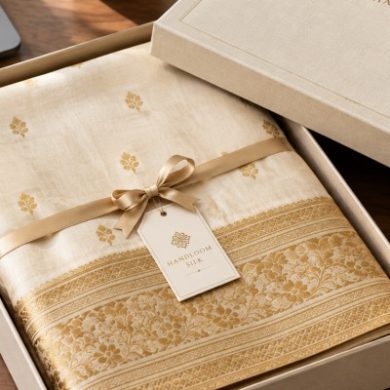
A branded pen or a box of sweets is forgotten fast. A gift of eri silk ahimsa silk, such as a stole or shawl, tells a client or overseas guest that you value craft and kindness. It is light, packs easily, and starts a conversation.
A Sustainability Story You Can Prove
Many brands struggle to show their green claims are real. If your festive gifts or team celebrations include peace silk India can stand behind, you can name the craft, the region, and the people behind it.
Celebrations With Meaning
For a company anniversary, a founder’s family wedding, or a festive team event, a cruelty-free silk saree is a gift that feels personal and carries no ethical baggage.
Choosing the Right Silk for the Occasion
If you are unsure about eri silk vs muga silk for a gift, a simple rule helps. Choose eri for everyday, winter, and unisex gifts. Choose Muga for ceremonial moments and special milestones.
Your Ethical Silk Buying Guide: 7 Checks Before You Pay
Use these checks whenever you shop, online or in a store.
- Ask how the silk was made. For eri, the answer should be that the moth emerged before it spun its cocoon.
- Confirm the origin. A trustworthy seller will name Assam and, ideally, the weaving cluster or artisan group.
- Look for handloom or handspun details. The Silk Mark and Handloom Mark help prove the silk and weave are genuine. They do not confirm an ahimsa claim, so still ask the process question.
- Feel the fabric. Eri is soft, matte, and slightly textured. A slippery, shiny finish suggests something else.
- Check the fibre content. Some products blend polyester or viscose. Ask for the exact composition.
- Compare price with labour. Handspun, handwoven fabric takes days of work. A price far below its peers is a red flag.
- Be wary of vague labels. Any peace silk India listing with no explanation of the process deserves questions before you buy.
Keep this ethical silk buying guide handy when you compare sellers. Honest sellers welcome these questions.
How to Style and Use Eri Silk
Eri has a relaxed, easy character, and that shapes how you wear it.
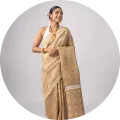
- Sarees for day wear. A cruelty-free silk saree in eri drapes with a soft, natural fall, not a stiff, crisp one. It suits workdays, family lunches, and festive mornings.
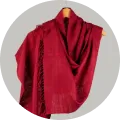
- Stoles and shawls. Layer one over a kurta, a shirt dress, or a blazer for warmth that still looks polished.
- Mekhela Sador sets. Eri gives a gentler, more everyday take on the traditional Assamese two-piece.
- For men. Scarves, jackets, and stoles in earthy tones work well for office and travel.
- Natural dyes. Rust, indigo, ivory, and olive suit eri’s matte surface.
Caring for Eri Silk
Eri is tougher than many silks, but good care keeps it beautiful.
- Wash gently. Use cool water and a mild detergent, or dry-clean heavily worked pieces.
- Do not wring or twist. Press the water out softly.
- Dry in the shade. Direct sun can fade colour.
- Iron on a low setting, with a cloth between the iron and fabric.
- Store in a soft cotton bag, not plastic.
With this routine, eri gets softer and more comfortable year after year.
Where to Buy Eri Silk Online
If you want to buy a cruelty-free silk saree or an eri stole, look for a seller who treats heritage as a responsibility, not a slogan. EthnoHues is one example. It is a heritage-inspired ethnic fashion brand that brings authentic Assamese handloom, silk sarees, traditional jewellery, and Indian artisanal crafts to modern consumers, with a focus on preserving regional craftsmanship while making it accessible online.
Whichever seller you pick, use the ethical silk buying guide above. If you are torn on eri silk vs muga silk, ask the seller to show both in natural light so you can feel the difference yourself.
Final Thoughts
Eri shows that luxury can be gentle. It is soft to wear, kind in how it is made, and strong enough to last for generations. As buyers ask harder questions about what they own and gift, Eri silk ahimsa silk is ready with real answers. That is why peace silk India is turning into one of the country’s most meaningful luxury stories, and why a cruelty-free silk saree can be a thoughtful choice for your own wardrobe or your next client gift.
Take your time, ask good questions, and buy with intention. If you would like to explore Assam’s eri collection, you can start at EthnoHues and see how heritage looks when it is made for today.
Frequently Asked Questions
What is eri silk?
Eri silk is a handspun silk from Assam, made from the Samia ricini silkworm, which feeds on castor leaves. It is soft, warm, matte and long-lasting.
Is eri silk ahimsa silk really cruelty-free?
Yes, when made traditionally. The moth leaves the cocoon on its own, and only the empty cocoon is spun into yarn. Always confirm the process with your seller, since labels vary.
What is the main difference between eri silk vs muga silk?
Eri is soft, matte, spun, and usually ahimsa. Muga is glossy, golden, usually reeled, and prized for its rarity and shine. Eri suits everyday wear, while Muga suits ceremonies.
Is Eri the only peace silk India produces?
Eri is India’s best-known and most traditional peace silk. Some makers produce other peace-style silks, but these methods and claims differ, so ask for details.
How do I know my cruelty-free silk saree is genuine?
Check that the seller names the fibre, the origin, and the method. Look for a soft, matte feel, handloom details, and Silk Mark or Handloom Mark labels, and be careful with very low prices.
Is eri a form of sustainable silk Assam is known for?
Yes. It uses a hardy host plant, a mostly hand-powered process, and fabric that lasts for decades, and it supports rural livelihoods.
Is there a simple ethical silk buying guide I can follow?
Yes. Ask how the silk was made, confirm the origin, check the fibre content, and compare the price with the labour involved. A good seller will answer all four easily.
How do I care for eri silk?
Wash gently in cool water or dry clean, dry in the shade, iron on low, and store in soft cotton.